
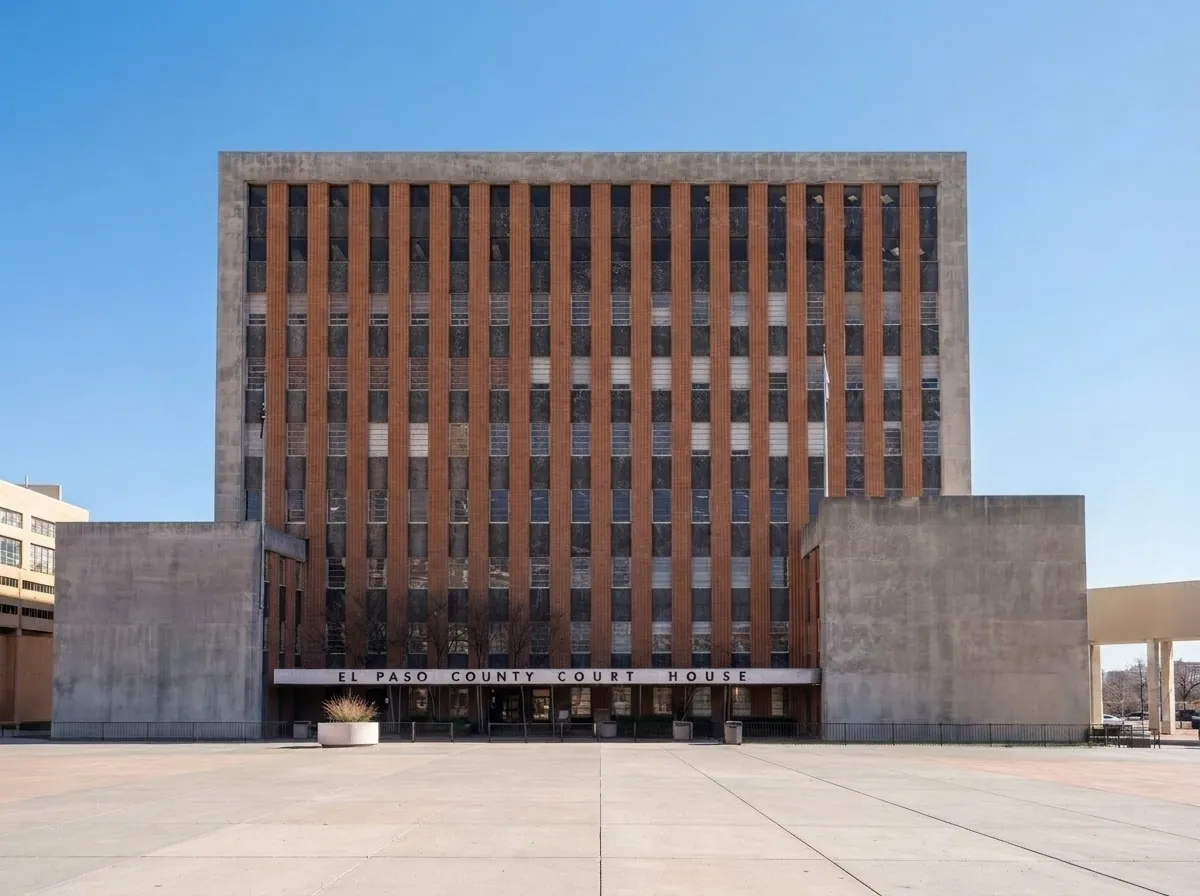
The court records of Tulsa County, Oklahoma, are maintained by the district court clerk and are accessible through online tools, official court portals, and directly at the clerk's office. TulsaCourt.us will help you find public information about court cases in the county. Additional access points include the Tulsa County Court Clerk's website, the district court portal, and the state electronic case search system. For inquiries regarding vital records, contact the relevant state agencies.
Tulsa Court System Overview
Tulsa County is part of the 14th Judicial District of Oklahoma. It is one of the largest judicial districts in the state, serving exclusively Tulsa County—unlike many other districts that combine several counties. The district court is divided into two main branches: District Judges, who handle serious criminal cases and complex civil lawsuits, and Associate District Judges and Special Judges, who handle minor cases, traffic violations, and preliminary hearings. The court is located in the Tulsa County Courthouse building.
The clerk's office hours are Monday through Friday, typically from 8:00 AM to 5:00 PM. Check the current schedule on the Court Clerk's website.
Courts Serving Tulsa
Residents of Tulsa County may deal with several different courts depending on the type of case.
Tulsa County District Court (State District Court)
U.S. District Court for the Northern District of Oklahoma (Federal District Court)
U.S. Bankruptcy Court for the Northern District of Oklahoma
Municipal Courts
Several cities in the county have their own municipal courts to handle violations of city ordinances:
- Tulsa Municipal Court — handles city ordinance violations within Tulsa.
- Sand Springs Municipal Court — administered by the Sand Springs City Clerk.
- Broken Arrow, Bixby, Jenks, Owasso, and other cities in the county also have municipal courts.
What Types of Cases Tulsa Courts Hear
The courts in Tulsa County hear a wide range of cases. Here are the main categories:
- Serious criminal offenses (felonies) and misdemeanors
- Traffic violations and infractions
- Civil lawsuits, including small claims
- Family law: divorce, custody, child support
- Probate, guardianship, estate management
- Juvenile cases — both corrections and child protection
- Adoption
Below, each category is detailed with an explanation of which court division handles the specific case.
District Court Cases in Tulsa
District Judges handle the most serious cases. Felony criminal cases come here after a preliminary hearing in magistrate court, where a judge determines if there is enough evidence to bind over the case. Civil lawsuits exceeding the magistrate's jurisdictional limit are also heard at this level. Additionally, the district court hears appeals from magistrate decisions and considers post-conviction motions, such as expungement requests. Cases are assigned to judges according to the court's internal schedule. The presiding administrative judge of the district coordinates the workload.
Magistrate Court Cases in Tulsa
The magistrate division is the workhorse of the system. This is where most county residents first encounter the court.
- Misdemeanors and minor offenses — from theft to public disorder
- Preliminary hearings in felony cases — the magistrate determines if there is enough evidence to bind over the case to a district judge
- Civil cases up to $10,000 (jurisdictional limit under Oklahoma law for associate district judges)
- Small claims — up to $10,000
- Traffic violations and DUI cases (arraignment and subsequent hearings)
Due to the high workload in Tulsa County, magistrates often specialize: some handle only criminal cases, others civil or family matters.
Family Law, Probate, and Juvenile Matters in Tulsa
Family Law
Divorce, custody determinations, child support, protective orders, paternity establishment, and termination of parental rights are all handled by the district court. In Tulsa, these cases are usually assigned to judges specializing in family matters.
Probate
Probate cases, appointments of guardians, conservatorships, and trust matters are handled within the district court. Applications can be submitted through the Court Clerk's office.
Juvenile Matters
Cases under the Juvenile Corrections Act (juvenile offenses) and the Child Protective Act (protection of children from abuse or neglect) are handled by a separate division. Juvenile case records are confidential under Oklahoma law. For information on juvenile cases, contact the court clerk's office directly at (918) 596-5000.
How Cases Move Through the Tulsa Court System
The general process for a case in court is as follows:
- Case initiation. A criminal case begins with a complaint or indictment; a civil case starts with the filing of a petition or complaint with the clerk's office.
- Judge assignment. The case is assigned to a specific judge according to the court's internal rules.
- Initial hearings. In criminal cases — arraignment (charges are read and the defendant responds). In civil cases — scheduling conference.
- Pre-trial phase. Filing motions, exchanging evidence (discovery), plea negotiations, or settlement discussions.
- Trial. Court proceedings with or without a jury, approval of a settlement, default judgment, or plea.
- Post-judgment. Sentencing, filing an appeal, enforcement of the judgment.
The timeline for each stage depends on the complexity of the case and the court's workload.
Court Administration, Local Rules, and Public Access in Tulsa
The administration of the courts in the 14th Judicial District is handled by the administrative district judge along with the Trial Court Administrator. For procedural inquiries, contact the court clerk's office.
Local court rules are published on the Tulsa County District Court's website. Before filing any documents, familiarize yourself with these rules — they contain requirements for formatting, deadlines, and the procedure for filing motions.
Public Access to Records
Under the Oklahoma Open Records Act, most court records are public. Exceptions include:
- Juvenile cases — confidential
- Adoption — sealed
- Records sealed or expunged by court order
- Some family case materials may have restricted access
To obtain copies of court documents, contact the Court Clerk's office in person or by mail. Certified copies require a fee.
Attending Hearings
Most court hearings are open to the public. Some hearings may be held remotely — check the court's website or call for details. Some federal courts use the PACER system for document access.
Court Records and Related Court Resources in Tulsa
- Court Case Search (iCourt / OSCN): The State of Oklahoma provides free access to court records through the OSCN (Oklahoma State Courts Network) at oscn.net. Here you can find information about Tulsa County district court cases.
- Court Clerk's Office: Don Newberry, Tulsa County Court Clerk's Website — general information about the clerk's office services, record request procedures, and forms are available here.
- County Clerk (property, marriage records, etc.): The Tulsa County Clerk maintains land records, marriage licenses, and other non-court documents.
- Inmate Information: The Inmate Information Center on the county's website allows you to find individuals held at the David L. Moss Criminal Justice Center.
- Arrest Warrants and Offender Information: The Tulsa Police Department — Offender Information contains data on warrants, citations, and the sex offender registry.
- Police Open Records Requests: via the Open Records Act page of the Tulsa Police.
- Criminal History (statewide): The Oklahoma State Bureau of Investigation (OSBI) processes statewide criminal history checks.
- Offender Lookup (DOC): The Oklahoma Department of Corrections Offender Lookup allows you to find individuals under the supervision of the correctional system.
- Birth and Death Certificates: The Oklahoma State Department of Health issues these documents. The record index is available through OK2Explore. Marriage and divorce records are with the Court Clerk of the county where the event occurred.
- County Sheriff's Office: The Tulsa County Sheriff's Office is responsible for enforcing court orders, sheriff's sales, and detention. Contact the dispatch at (918) 596-5600.
If you are unsure which court or office to contact, start with TulsaCourt.us or call the Court Clerk's office at (918) 596-5000 for guidance.